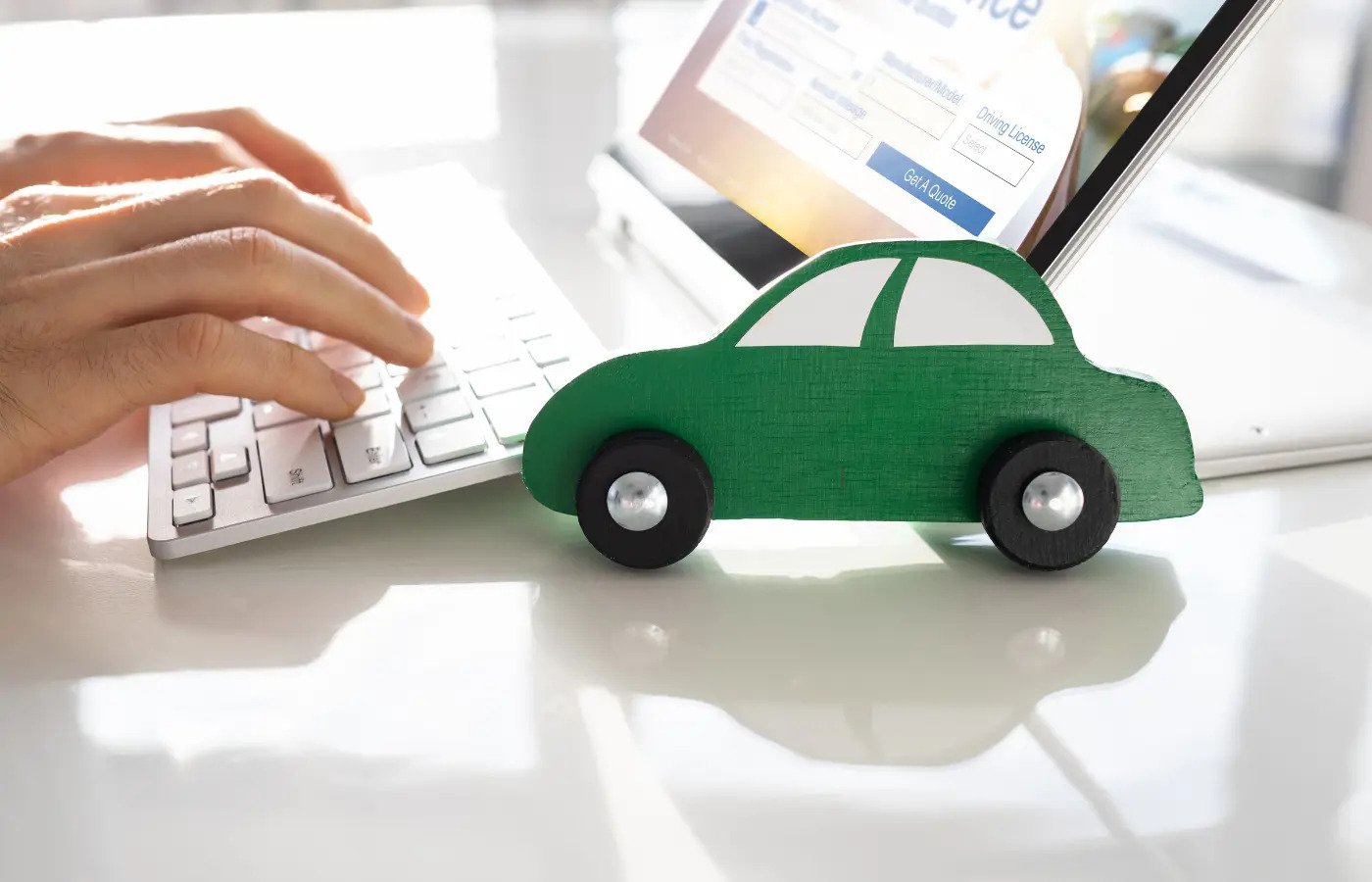
Buying A Car Online? Here’s How to Get It Delivered
Online car buying has transformed how people shop for vehicles. Rather than limiting your search to local car lots, you can now browse nationwide inventories, bid in online auctions, or buy directly from private sellers across the country. However, once you click “buy,” you face a practical challenge: getting the vehicle to your driveway.
Whether you purchased a daily driver from an out-of-state dealership or a rare classic from a private seller, arranging professional auto transport is often the safest and most convenient way to ship a car bought online. This guide covers everything you need to know about shipping a car bought online—from picking the right transport method to inspecting your vehicle upon delivery.
Why You May Need to Ship a Car Bought Online
Buying a car remotely offers access to better prices, broader selections, and hard-to-find models. However, driving the vehicle home yourself isn’t always practical or cost-effective.
Common scenarios where shipping is the best solution include:
- Out-of-State Dealership Purchases: Driving hundreds (or thousands) of miles back home adds unnecessary mileage, wear and tear, and travel expenses (flights, fuel, hotels, meals).
- Private-Party Purchases: Remote private sales often mean the vehicle isn’t registered or insured in your state yet, making a long road trip risky or illegal.
- Auction & Marketplace Deals: Vehicles bought via online auctions (like Bring a Trailer or eBay Motors) may not be registered for immediate highway driving.
- Specialty, Classic, or Luxury Vehicles: High-value or delicate cars should not accumulate long-distance highway miles or risk damage from road debris.
- Relocation After Purchase: Moving to a new state right after buying a vehicle makes professional shipping a logistical necessity.
Professional auto transport simplifies long-distance delivery, allowing your vehicle to arrive safely while you avoid the hassle of a long-distance drive.
Who Is Responsible for Shipping the Car?
One of the first things to clarify after agreeing on a price is who handles the shipping logistics. Responsibility varies based on where and how you bought the vehicle:
- Dealership Purchases: Some large online dealerships offer nationwide delivery built into the transaction. Others leave shipping entirely to the buyer or work with preferred third-party carriers.
- Private-Party Sales: In almost all private sales, the buyer is responsible for choosing, booking, and paying for transportation.
- Auctions & Marketplaces: Auction platforms usually require the buyer to clear the vehicle from the lot within a tight window (often 48–72 hours), making fast transport planning essential.
Key Advice: Confirm shipping responsibility, fees, and pickup deadlines before signing the final bill of sale. Unclear arrangements can lead to unexpected storage fees or delivery delays.
How to Ship a Car You Bought Online
Follow these eight steps to ensure a smooth transport process from start to finish.
1. Confirm the Vehicle and Pickup Details
Before booking a carrier, gather all logistical information from the seller:
- Exact pickup location address and access limitations (e.g., gated access, tight residential streets).
- Seller/dealership point-of-contact (name, phone number, email).
- Exact vehicle specs (Year, Make, Model, VIN).
- Operational status (Does it roll, brake, and steer? Is it inoperable?).
- Release authorization status (Has the title/payment cleared so the carrier can load it?).
2. Choose a Reliable Auto Transport Company
Not all auto transport providers are equal. Protect your investment by evaluating providers based on reliability rather than just the absolute lowest price:
- Licensing & Insurance: Ensure the company is licensed with the Department of Transportation (DOT) and Federal Motor Carrier Safety Administration (FMCSA), and carries adequate cargo insurance.
- Customer Reviews: Check independent feedback on platforms like Google, the Better Business Bureau (BBB), and Transport Reviews.
- Transparent Pricing: Look for upfront quotes without hidden service or booking fees.
- Communication: Select a provider that offers updates throughout transit.
3. Select the Right Transport Method
You will choose between two primary transport options:
| Transport Type | Best Used For | Key Advantages | Considerations |
| Open Car Transport | Everyday sedans, SUVs, trucks, lower-value vehicles | Most economical, widely available on all major routes | Vehicle is exposed to weather and standard road elements |
| Enclosed Auto Transport | Classic cars, luxury vehicles, exotic/exotic sports cars, high-value models | Full protection from rain, snow, rocks, dust, and road debris | Higher cost, slightly lower carrier availability |
4. Arrange Pickup With the Seller or Dealership
Coordinate closely with both the transport company and the seller to set a pickup window. Ensure the seller knows when the trucker will arrive, has the keys ready, and has completed any required release paperwork (such as an auction gate pass or dealership release form).
5. Prepare the Vehicle for Transport
Ask the seller (or arrange yourself if possible) to perform basic vehicle prep:
- Clean Out the Interior: Remove all personal belongings, toll tags, and loose items.
- Secure the Exterior: Remove or retract loose accessories, aftermarket spoilers, or custom antennas.
- Check Fluids and Tires: Ensure tires are properly inflated and the battery is charged.
- Manage Fuel Level: Keep the gas tank between 1/4 and 1/2 full to minimize unnecessary weight while allowing the car to be driven on and off the trailer.
- Disable Alarms: Turn off anti-theft systems or provide written instructions on how to disarm them.
- Take High-Resolution Photos: Request clear, time-stamped photos of all sides of the vehicle, including existing dents, chips, or scratches, right before loading.
6. Inspect the Vehicle and Complete the Bill of Lading
The Bill of Lading (BOL) is the official contract between the shipper and carrier. It acts as both a receipt of delivery and an official vehicle condition report.
- The seller and the driver will inspect the car together at pickup, marking existing damage on the BOL.
- Both parties must sign the document before the car is loaded.
- Make sure you receive a digital or physical copy of the pickup BOL.
7. Track the Shipment and Prepare for Delivery
Auto transport delivery windows are typically estimated due to variables like weather, traffic, and driver hours-of-service regulations. Stay in contact with your transport coordinator or driver for real-time updates as your vehicle approaches its final destination. Make sure your delivery location is accessible for a large truck (semi-trucks require ample space to maneuver).
8. Inspect the Car at Delivery
When the carrier arrives:
- Walk around the vehicle carefully with the driver.
- Compare the car’s current physical state directly against the initial pickup BOL photos and report.
- Look closely for any new scratches, structural issues, or transit-related damage.
- If damage is found, note it directly on the final Bill of Lading before signing, and notify your transport company immediately.
How Much Does It Cost to Ship a Car Bought Online?
Vehicle shipping pricing depends on a combination of logistics variables. Key pricing factors include:
- Distance & Route: Long-distance coast-to-coast routes generally cost more overall but less per mile than shorter routes.
- Vehicle Size & Weight: Larger vehicles (like full-size SUVs or heavy trucks) take up more space and weight quota, raising rates.
- Transport Type: Enclosed transport generally costs 30% to 50% more than open car transport.
- Operability: If a vehicle cannot start or move under its own power, loading requires winches or special equipment, which increases the price.
- Location Accessibility: Pickups or deliveries in remote rural areas cost more than stops near major interstate corridors.
- Seasonality: Peak moving seasons (summer) and winter snowbird routes cause price fluctuations based on driver supply and demand.
To avoid unexpected fees, request a personalized, detailed quote rather than relying on generic online cost calculators.
How Long Does It Take to Deliver a Car Bought Online?
Delivery times are divided into two phases: pickup window (booking to loading) and transit time (loading to final delivery).
Average transit times by distance generally follow these frames:
- Under 500 miles: 1–2 days
- 500 – 1,000 miles: 2–4 days
- 1,000 – 2,000 miles: 3–6 days
- 2,000+ miles (Coast-to-Coast): 7–10 days
Note: Weather events, traffic delays, driver rest periods, and multi-car drop-offs along the route can alter timelines. Maintain reasonable flexibility in your scheduling.
Open vs. Enclosed Car Shipping for Online Purchases
Choosing between open car transport and enclosed auto transport comes down to vehicle value, budget, and personal preference.
Open Auto Transport
- Best for: Standard daily drivers, standard SUVs, used cars, and budget-conscious buyers who want the cost to ship a car affordably.
- Pros: Lower cost, highly available across almost all routes, faster carrier assignment.
- Cons: Vehicle is exposed to weather, road grime, and atmospheric elements during travel.
Enclosed Auto Transport
- Best for: Classic cars, exotic sports cars, high-end luxury models, vintage restorations, and rare collectibles.
- Pros: Complete protection from weather, road rocks, tree branches, and dirt; added security and specialized tie-down systems.
- Cons: Higher cost and slightly longer booking windows due to specialized trailer availability.
Documents and Information You May Need
Keep these essential records organized throughout the vehicle transport process:
- Proof of purchase/Bill of sale from dealer or seller
- Exact pickup and delivery contact details (Names, phone numbers, addresses)
- Vehicle Details (Make, model, year, VIN, operability status)
- Driver’s license or ID (for delivery acceptance)
- Original vehicle inspection report / initial Bill of Lading (BOL)
- Special facility release forms (if picking up from an auto auction or port facility)
Common Mistakes to Avoid When Shipping an Online Purchase
Avoid these common missteps when arranging long-distance car shipping:
- Booking Transport Too Early: Don’t schedule pickup before the seller confirms the vehicle funds have cleared and title work is ready.
- Assuming the Seller Handles Shipping: Always double-check who is responsible for scheduling driver pickup when preparing to ship a car.
- Choosing Solely on the Lowest Price: Extremely low quotes often lead to delayed pickups, unreliable carriers, or hidden costs.
- Skipping Vehicle Condition Inspection: Failing to take photos prior to loading makes it difficult to settle transit damage claims.
- Leaving Personal Belongings in the Vehicle: Carrier insurance rarely covers loose personal items left inside the cabin or trunk.
- Failing to Verify Access: Standard 80-foot auto haulers cannot enter tight cul-de-sacs or areas with low-hanging trees. Plan alternative pickup/delivery drop spots (like local parking lots) if needed.
How to Choose the Right Car Shipping Company
To ensure your newly purchased car arrives safely, select an auto transport provider using the following checklist:
- [ ] Verify proper DOT and FMCSA registration.
- [ ] Request proof of cargo insurance coverage.
- [ ] Confirm upfront, clear pricing without hidden fees.
- [ ] Confirm their experience with your specific type of vehicle (e.g., lowered cars, classic vehicles, standard SUVs).
- [ ] Evaluate their customer support responsiveness before booking.
- [ ] Check independent customer feedback across third-party review platforms.
Online Car Purchase Delivery Checklist
Save or print this simple checklist to keep your vehicle delivery organized:
- [ ] Confirm who is responsible for arranging transport (Buyer vs. Seller).
- [ ] Verify vehicle readiness, release documents, and clear payment.
- [ ] Obtain accurate pickup/delivery addresses and contact information.
- [ ] Select open car transport or enclosed transport based on vehicle value.
- [ ] Research, select, and book a licensed transport provider to ship a car.
- [ ] Request photos of vehicle condition from the seller prior to loading.
- [ ] Confirm pickup dates with the carrier and seller.
- [ ] Ensure the initial Bill of Lading is completed at pickup.
- [ ] Track shipment updates during transit.
- [ ] Perform a complete visual inspection at delivery against the pickup BOL.
- [ ] Sign delivery documents and keep all shipping records.
How Passport Transport Can Help With Your Online Car Purchase
When you invest in a car online, getting it delivered safely should be stress-free. Passport Transport specializes in long-distance auto transport, providing professional vehicle shipping solutions tailored to your purchase.
Whether you’re buying an everyday commute car, a rare vintage classic, or an exotic sports car, Passport Transport offers:
- Experienced Vehicle Handling: Dedicated drivers trained in safe loading and securing techniques.
- Enclosed & Premium Options: Superior vehicle protection designed specifically for luxury, vintage, and high-value cars.
- Clear Communication: Ongoing logistical support from pickup scheduling to final delivery.
- Reliable Service: Fully licensed, insured, and transparent solutions for smooth door-to-door vehicle moves.
Let us handle the logistics so you can enjoy your new vehicle without highway driving stress.
Frequently Asked Questions About Shipping a Car Bought Online
Can I ship a car I bought from an online marketplace?
Yes. Professional auto transport carriers regularly pick up vehicles bought through platforms like eBay Motors, Craigslist, Facebook Marketplace, or Bring a Trailer. Just ensure the seller agrees to meet the driver for inspection and loading.
Can I ship a car directly from a dealership?
Yes. Dealership transport is routine. You must notify the dealership rep, ensure all financing and title documentation is completed, and provide your carrier with any required dealership gate release paperwork.
Should I choose open or enclosed car transport?
Open car transport is standard, safe, and cost-effective for daily vehicles. Enclosed transport is strongly recommended for luxury, classic, exotic, or high-value vehicles needing complete protection from weather and road elements.
How much does it cost to ship a car bought online?
Pricing varies based on route distance, vehicle size, transport type (open car transport vs. enclosed), operability, and seasonal demand. It’s best to request a customized quote for your specific route.
How long does online car delivery take?
Coast-to-coast trips usually take 7–10 days in transit, while shorter regional trips (under 500 miles) often take 1–2 days after pickup. Total time depends on carrier scheduling, route distance, weather, and traffic.
Do I need to be present when the car is picked up?
No. Because you bought the car remotely, the seller, dealership agent, or auction facility staff can sign the pickup Bill of Lading on your behalf. However, you (or a designated representative) should be present at delivery.
What should I do if my car arrives with new damage?
Note the damage directly on the driver’s Bill of Lading before signing off on delivery. Take immediate clear photos of the damage and contact your transport company right away to start the claim process through their cargo insurance.
Final Takeaway: Make Vehicle Delivery Part of Your Online Car-Buying Plan
Purchasing a vehicle online opens up endless inventory options, but your transaction isn’t complete until the car is safely parked in your driveway. By confirming logistics early, choosing the right transport method to ship a car, and partnering with an experienced auto transport provider, you can make long-distance car delivery simple, predictable, and secure.
Ready to get your online car purchase delivered? [Request a personalized auto transport quote from Passport Transport today] to get started!