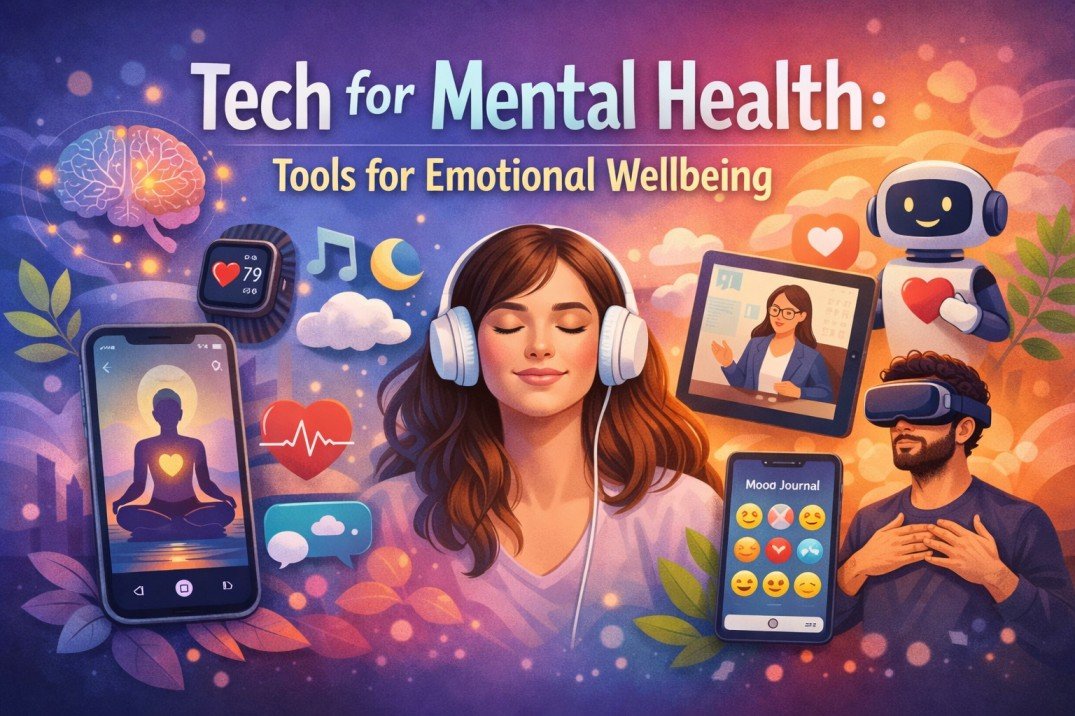
In recent years, digital mental health solutions have experienced rapid growth as more people seek accessible and flexible support. Increasing awareness about mental health, combined with rising stress levels in modern lifestyles, has pushed individuals to explore alternatives beyond traditional therapy. Technology fills this gap by offering immediate help, privacy, and affordability. The global shift toward remote services has also accelerated adoption, making digital platforms a practical choice for millions worldwide.
Impact of Technology on Emotional Well-being
Technology has significantly influenced emotional well-being by providing tools that encourage self-awareness and healthy habits. Users can now monitor moods, practice mindfulness, and access professional guidance without leaving home. These tools help individuals better understand their emotional patterns and triggers. As a result, people feel more empowered to manage stress, anxiety, and depression effectively while maintaining control over their mental health journey.
Key Trends Driving Adoption
Several trends are fueling the rise of mental health technology. Increased smartphone usage, improved internet accessibility, and advancements in artificial intelligence have made these tools more effective and user-friendly. Additionally, the stigma around mental health is gradually decreasing, encouraging more people to seek help. Integration with wearable devices and personalized recommendations further enhances user engagement and long-term adoption.
Types of Digital Tools for Mental Health
Mobile Apps for Mindfulness and Meditation
Mobile apps designed for mindfulness and meditation help users reduce stress and improve focus. These apps offer guided sessions, breathing exercises, and relaxation techniques that can be easily incorporated into daily routines. They are particularly useful for beginners who want structured guidance in managing their mental health.
Online Therapy and Counseling Platforms
Online therapy platforms connect users with licensed professionals through video calls, chats, or emails. This approach removes geographical barriers and makes therapy more accessible. It also provides flexibility for individuals who may feel uncomfortable attending in-person sessions or have busy schedules.
AI-Powered Mental Health Assistants
AI-powered assistants are becoming increasingly popular in mental health care. These tools use algorithms to provide instant responses, emotional support, and coping strategies. While they do not replace human therapists, they offer immediate assistance during moments of distress, making them valuable for early intervention.
Wearable Devices for Stress Monitoring
Wearable devices track physical indicators such as heart rate, sleep patterns, and activity levels to detect stress. By analyzing this data, users receive insights into their mental state and can take proactive steps to improve their well-being. These devices promote a more holistic approach to mental health management.
Benefits of Using Technology for Mental Health
Accessibility and Convenience
One of the biggest advantages of digital mental health tools is their accessibility. Users can access support anytime and anywhere, eliminating the need for travel or long waiting periods. This convenience encourages consistent use and better outcomes.
Cost-Effective Support Options
Digital tools often provide more affordable alternatives to traditional therapy. Many apps offer free or low-cost services, making mental health support available to a broader audience.
Personalized Mental Health Solutions
Technology enables personalized experiences by analyzing user data and preferences. Tailored recommendations, customized plans, and adaptive features ensure that users receive support that aligns with their unique needs and goals.
Real-Time Tracking and Insights
Real-time tracking allows users to monitor their progress and identify patterns in their behavior. This data-driven approach helps individuals make informed decisions and stay motivated throughout their mental health journey.
Popular Mental Health Apps and Platforms
Meditation and Relaxation Apps
Meditation apps provide structured programs that help users manage stress and improve emotional balance. Features such as guided sessions and calming sounds create a soothing experience that promotes relaxation.
Therapy and Counseling Services
Digital therapy platforms offer professional support through secure and confidential channels. These services make it easier for individuals to seek help without fear of judgment, improving overall engagement with mental health care.
Mood Tracking and Journaling Tools
Mood tracking and journaling tools help users document their thoughts and emotions. This practice encourages self-reflection and helps identify triggers, leading to better emotional regulation over time.
How AI Is Transforming Mental Health Care
Chatbots for Emotional Support
AI chatbots provide instant emotional support by engaging users in conversations and offering coping strategies. They are available around the clock, making them a reliable option for immediate assistance.
Predictive Analysis and Early Intervention
AI can analyze user data to identify potential mental health risks before they escalate. Early intervention helps prevent severe conditions and promotes proactive care.
Limitations of AI in Mental Health
Despite its benefits, AI has limitations. It lacks human empathy and may not fully understand complex emotional situations. Therefore, it should complement, not replace, professional care.
Challenges and Risks of Digital Mental Health Tools
Data Privacy and Security Concerns
Users often share sensitive information on digital platforms, raising concerns about data privacy and security. Ensuring strong protection measures is essential for maintaining trust.
Over-Reliance on Technology
Excessive dependence on digital tools may reduce real-world interactions and limit emotional growth. Balance is necessary to maintain overall well-being.
Lack of Human Connection
While technology offers convenience, it cannot fully replicate human connection. Personal interaction remains a crucial element in effective mental health support.
Tips for Choosing the Right Mental Health Tool
Identifying Your Needs
Selecting the right mental health tool starts with understanding your personal needs. Some people seek stress management support, while others may need therapy, mood tracking, or mindfulness guidance. Clearly defining your goals helps narrow options and ensures you choose a tool that fits your lifestyle. Consider your daily routine, mental health challenges, and preferred level of interaction to find a solution that works for you.
Evaluating Features and Credibility
Look for platforms that provide evidence-based techniques, professional involvement, and transparent privacy policies. Features like guided programs, progress tracking, and personalized recommendations improve effectiveness. Tools endorsed by licensed therapists or reputable mental health organizations tend to offer more reliable and safe support.
Checking User Reviews and Ratings
User feedback is invaluable when choosing a mental health app or platform. Reading reviews and ratings helps you understand usability, benefits, and limitations. Consistent positive feedback often indicates reliability, while recurring complaints highlight potential issues. Considering real experiences allows for a more informed decision and reduces the risk of selecting an ineffective tool.
The Role of Teletherapy in Modern Healthcare
Advantages of Virtual Therapy
Teletherapy has transformed mental health care by offering flexible and accessible support. Users can meet licensed therapists from the comfort of their homes, eliminating travel barriers and saving time. Virtual therapy encourages privacy and convenience, which often helps those hesitant to attend in-person sessions. This approach has made professional mental health care more inclusive and widely available.
Comparing Online vs In-Person Therapy
Online and in-person therapy each have advantages. Online therapy is convenient, cost-effective, and flexible, ideal for busy schedules. In-person therapy provides direct human interaction, which is valuable for building trust and deep connections. Many individuals benefit from a hybrid approach, using digital tools for daily support and in-person sessions for complex issues.
Who Can Benefit Most
Teletherapy is particularly useful for individuals in remote areas, people with mobility challenges, and those with tight schedules. It also benefits those who prefer private settings for discussing sensitive topics. By reducing barriers, teletherapy ensures a broader audience can access professional care.
Future of Technology in Mental Health
Innovations to Watch
The future of mental health technology promises exciting innovations. Advanced artificial intelligence, virtual reality therapies, and improved analytics are expected to make mental health support more immersive, accurate, and personalized. These tools aim to provide solutions tailored to individual needs, enhancing emotional well-being and overall effectiveness.
Integration with Healthcare Systems
Integration between digital tools and traditional healthcare systems will improve coordination and outcomes. Seamless communication allows data from apps and wearables to inform therapy and clinical decisions. This collaboration helps professionals provide comprehensive care and supports early interventions.
Ethical Considerations
Ethical concerns are critical as technology evolves. Data privacy, informed consent, and potential algorithm bias must be addressed. Ensuring transparency and accountability builds trust and maintains the integrity of digital mental health solutions, protecting users’ sensitive information.
How to Use Digital Tools Effectively
Setting Healthy Boundaries with Technology
Even helpful digital tools can have drawbacks if overused. Establishing limits prevents screen fatigue and ensures that apps remain supportive rather than overwhelming. Combining offline relaxation activities with digital support promotes balanced mental health management.
Combining Tech with Traditional Therapy
Digital tools are most effective when used alongside traditional therapy. Apps provide convenience, but professional guidance offers deeper insights and personalized care. A combined approach delivers the best results for long-term mental health management.
Building Consistent Mental Health Habits
Consistency is key to mental well-being. Regular use of meditation, journaling, or therapy apps helps form positive habits. Over time, these small but consistent actions build emotional resilience and create sustainable mental health practices.
FAQs About Tech for Mental Health
Are Mental Health Apps Effective?
They support stress management, self-awareness, and habit building. However, effectiveness depends on the user’s commitment and the quality of the tool.
Is Online Therapy Safe and Confidential?
Reputable online therapy platforms prioritize safety and confidentiality. Secure systems protect personal data and ensure private communication. Always choose trusted platforms with clear privacy policies.
Can Technology Replace Therapists?
Technology cannot replace human therapists. While apps and AI tools provide support and convenience, they lack empathy and nuanced understanding. They are best used as complementary resources rather than complete substitutes.
Conclusion About Tech for Mental Health
Technology has revolutionized mental health care by offering accessible, flexible, and innovative solutions. Choosing the right tools, understanding their benefits, and integrating them with professional support empowers individuals to take control of their emotional well-being. By balancing digital tools with real-world connections and maintaining healthy habits, people can achieve lasting mental health improvements in today’s connected world.