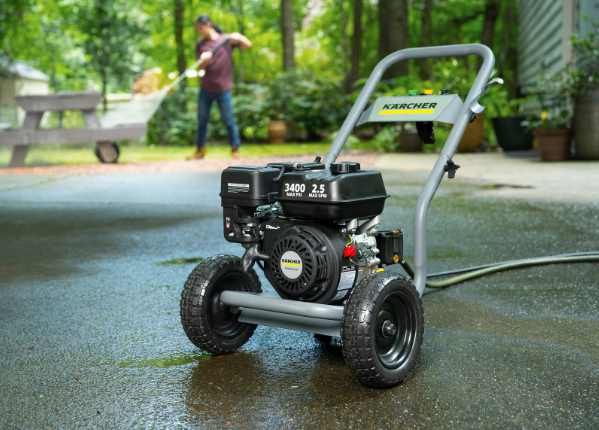
PSI sits right there on every pressure washer. But most buyers have no clue what it means. They just compare numbers. They pick the biggest one. That’s where things go wrong.
Two problems pop up fast. You grab a weak machine. Or you grab one too strong. Then it wrecks the surface you wanted clean. Neither feels great.
Knowing PSI fixes all that. It helps you pick smart. It keeps your cleaning safe. And it speeds things up. This guide breaks down what PSI means. How it works. Why it counts. We’ll cover low versus high. The common ranges too. Plus how PSI ties into GPM. Shopping in Bergen County? You’re set.
What Does PSI Mean?
PSI means pounds per square inch. It measures water pressure. Simple as that. It tells you the force hitting a surface. That force comes straight from the nozzle.
Picture a garden hose. Press your thumb on the end. The water shoots out harder. A pressure washer does the same. Just way stronger.
Higher PSI means more concentrated force. But more isn’t always better. The right number depends on your job. Nothing else.
How PSI Works in a Pressure Washer
A pressure washer uses two key parts. They team up to build the spray. Each one has a job.
- The pump: Pulls in water and builds pressure inside. A motor or engine drives it.
- The nozzle: Pushes that water through a tiny gap. This focuses it into a tight stream.
- The result: A strong blast that lifts dirt, grime, and stains.
Pressure can’t do it alone, though. Water flow joins in. Pressure loosens the gunk. Flow rinses it off. Both matter for a clean finish.
Why PSI Matters for Cleaning Tasks
PSI shapes how well your machine performs. It controls your results in a few big ways.
- Cleaning power: More pressure means more muscle on tough dirt.
- Surface range: The number decides which materials it can handle.
- Speed: Stronger force clears grime faster. Big jobs go quicker.
- Safety: The right level keeps soft surfaces safe from damage.
Matching PSI to the task is everything. Too little leaves dirt behind. Too much cracks wood or strips paint. Aim for a fit. Skip the max.
The Difference Between Low and High PSI
Pressure washers split into two groups. It comes down to force. Each one suits different surfaces.
Low PSI Machines
Low PSI units stay gentle. They’re great for delicate stuff. Strong pressure would just damage it. Common uses include:
- Washing cars, trucks, and boats
- Rinsing windows and screens
- Cleaning wood decks and outdoor furniture
High PSI Machines
High PSI units pack real punch. They chew through stuck-on buildup. Hard surfaces are no match. Common uses include:
- Cleaning concrete driveways and walkways
- Stripping grime off brick and stone
- Clearing heavy mess from large commercial spots
Here’s the catch. More power isn’t always smart. A strong machine can splinter wood fast. So the right level depends on what you clean.
Common PSI Ranges for Home and Commercial Use
PSI ratings fall into handy ranges. They line up with the kind of work. This pressure washer PSI guide sorts them by need.
Light Home Use
These machines run 1,300 to 1,900 PSI. They handle easy, everyday jobs. Think patios, cars, furniture, and small decks. They’re light. They store easily too.
Medium Home Use
A pressure washer 2000 psi model fits here. So do units up to about 2,800 PSI. They tackle driveways, fences, and siding. No problem at all. This level suits most homeowners in Bergen County. One machine covers regular outdoor cleaning.
Heavy and Commercial Use
Tough jobs need serious force. That means 2,900 PSI and up. A 3000 psi pressure washer clears big concrete fast. It handles building exteriors too. For the hardest commercial work, grab a 3500 psi power washer. It strips, degreases, and preps large surfaces with ease.
These are just general guides. Real needs change with the job. Let your surfaces guide your pick.
How PSI Relates to GPM
PSI doesn’t tell the whole story. Its partner spec fills the gap. That’s GPM.
GPM means gallons per minute. It measures water flow. PSI brings the force. GPM brings the rinse. They work as a team:
- PSI: Loosens dirt, grime, and stains from the surface.
- GPM: Washes that loose mess away with steady flow.
High PSI but low GPM? You’ll blast dirt loose but struggle to rinse it. Real cleaning power needs both numbers balanced. Pressure alone won’t cut it.
How to Choose the Right PSI for Your Needs
Picking the best PSI for pressure washer use is easy. Just follow a few steps. Each one narrows things down quick.
- Spot the surfaces: Match the rating to your toughest job.
- Check frequency: Light now-and-then use, or heavy daily work?
- Balance power and safety: Enough force to clean. Not enough to harm.
- Weigh in GPM: Look at both numbers, not just PSI.
The best machine fits your tasks. It’s not the biggest number on the shelf. Someone in Bergen County cleaning a deck needs far less. A business washing a parking lot weekly needs more.
Final Thoughts
PSI measures your pressure washer’s cleaning force. It shapes your whole result. The right level depends on your surfaces and tasks. And it works best balanced with GPM.
So choose smart. Spot your surfaces first. Match the PSI range to them. Then check GPM alongside it. Get enough power to clean without doing damage. Compare both specs. Then pick a machine built for the job.
Frequently Asked Questions
What PSI is best for home cleaning tasks?
Most home jobs land between 1,300 and 2,800 PSI. It depends on the surface. Lighter stuff like cars needs less pressure. Driveways and siding do better at the higher end of that range.
Can too much PSI damage cleaning surfaces?
Yes, it can. Too much pressure chips wood, cracks siding, and strips paint. It scars soft materials too. Start with a wider nozzle and lower setting. Then bump up the force only as needed.
Does PSI matter more than GPM does?
Both matter, and they work together. PSI brings the force that loosens dirt. GPM controls the rinse speed that washes it off. Strong cleaning power comes from a solid balance between the two numbers.





Leave a Reply