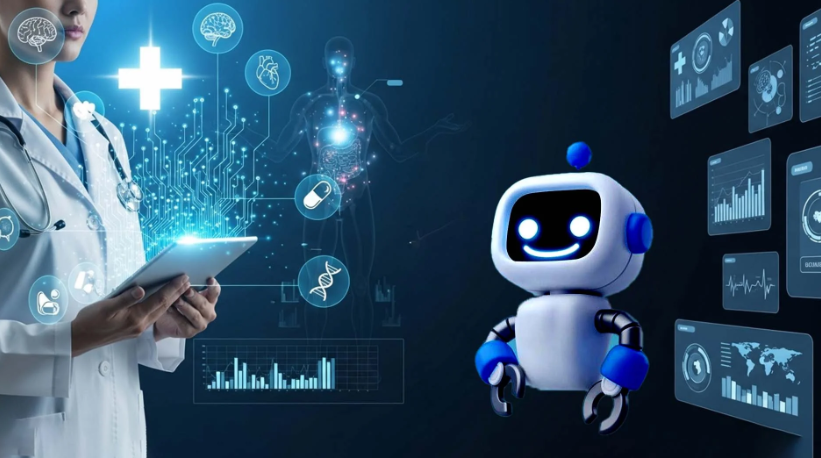
Artificial Intelligence is rapidly transforming the healthcare industry. In 2026, AI is no longer just an experimental technology; it has become an essential part of modern medical systems. From diagnosis to patient support, AI is improving the speed, accuracy, and accessibility of healthcare services.
Hospitals, clinics, and digital health platforms are increasingly integrating AI-powered systems to enhance patient care and reduce the burden on medical professionals. This transformation is leading to a future where healthcare becomes more efficient, data-driven, and personalized.
How AI Is Entering the Healthcare Industry
AI is entering healthcare through various applications such as medical imaging, patient monitoring, predictive analytics, and virtual assistants. These systems analyze large amounts of medical data and help doctors make better decisions. As a result, healthcare providers can deliver faster and more accurate treatments.
Role of Digital Transformation in Medicine
Electronic health records, telemedicine platforms, and AI-powered tools are now widely used. This shift allows medical professionals to access patient data instantly and provide better care, even from remote locations.
Why AI Is Becoming Essential in Healthcare
AI is becoming essential because it reduces human error, improves efficiency, and provides real-time insights. With increasing patient loads and limited medical staff, AI helps bridge the gap by automating routine tasks and supporting decision-making processes.
What Are AI Doctors and Virtual Health Assistants
AI doctors and virtual health assistants are intelligent systems designed to support or replicate certain medical functions. They do not replace human doctors but assist them in diagnosis, treatment planning, and patient communication.
Definition of AI Doctors
AI doctors are advanced systems that use machine learning and data analysis to diagnose diseases and suggest treatment options. They analyze symptoms, medical history, and test results to provide recommendations that assist healthcare professionals.
What Virtual Health Assistants Do
Virtual health assistants are AI-powered tools that interact with patients in real time. They help with answering medical queries, scheduling appointments, sending reminders, and providing basic health advice. These systems improve patient engagement and accessibility.
Difference Between AI Systems and Human Doctors
While AI systems are highly efficient in processing data, they lack human empathy and emotional understanding. Human doctors provide critical thinking, experience-based judgment, and emotional care, which AI cannot fully replicate. Instead, both work together to improve healthcare outcomes.
How AI Doctors Work in Modern Healthcare
AI doctors operate by analyzing large datasets and identifying patterns that help in diagnosing diseases and recommending treatments.
Data Collection from Patients
AI systems collect patient data from various sources such as medical records, lab reports, wearable devices, and health apps.
Diagnosis Using Machine Learning Models
Machine learning models process patient data to identify possible diseases. These models are trained on large medical datasets, allowing them to recognize patterns and detect conditions with high accuracy.
Treatment Recommendations Based on Data
After analyzing the data, AI systems provide treatment suggestions. These recommendations assist doctors in choosing the most effective treatment plans based on evidence and historical outcomes.
Role of Virtual Health Assistants
Virtual health assistants play a key role in improving patient experience and making healthcare services more accessible.
24/7 Patient Support Systems
Virtual assistants are available at all times, allowing patients to receive support whenever they need it. This ensures continuous healthcare assistance without delays.
Appointment Scheduling and Reminders
These systems help patients book appointments, receive reminders for medications, and manage their healthcare schedules efficiently. This reduces missed appointments and improves treatment adherence.
Basic Medical Guidance and Assistance
Virtual assistants provide basic health information and guidance based on user queries. While they do not replace doctors, they help patients understand symptoms and decide when to seek medical attention.
Benefits of AI in Healthcare
AI offers numerous benefits that are transforming the healthcare industry and improving patient outcomes globally.
Faster Diagnosis and Treatment
AI systems can analyze medical data within seconds, enabling faster diagnosis compared to traditional methods. This speed is critical in emergency situations.
Reduced Medical Errors
By providing data-driven insights, AI helps reduce human errors in diagnosis and treatment planning, leading to more accurate healthcare decisions.
Improved Accessibility for Remote Areas
AI-powered healthcare solutions make medical services accessible to people in remote and underserved areas, bridging the gap between patients and healthcare providers.
AI in Disease Detection and Prevention
AI is playing a major role in early disease detection and prevention by analyzing patterns and predicting health risks.
Early Diagnosis Using AI Systems
AI can detect diseases at an early stage by identifying subtle patterns in medical data that may not be visible to human doctors.
Predictive Health Analytics
Predictive analytics helps forecast potential health issues based on patient history and lifestyle factors, allowing preventive measures to be taken.
Monitoring Chronic Diseases
AI systems continuously monitor patients with chronic conditions and alert healthcare providers when any abnormal changes are detected.
AI in Hospitals and Clinics
AI is now deeply integrated into hospitals and clinics, improving how healthcare services are delivered and managed. From administrative tasks to advanced diagnostics, AI is helping medical institutions operate more efficiently.
Automated Patient Management Systems
Hospitals use AI-powered systems to manage patient records, admissions, billing, and scheduling. These systems reduce manual workload for staff and ensure that patient data is organized, accurate, and easily accessible. This improves overall hospital efficiency and reduces waiting times.
AI-Powered Medical Imaging
AI plays a major role in analyzing medical images such as X-rays, CT scans, and MRIs. It helps doctors detect abnormalities like tumors, fractures, and internal issues with higher accuracy and speed. This improves early diagnosis and treatment outcomes.
Hospital Workflow Optimization
AI helps optimize hospital workflows by managing resource allocation, staff scheduling, and patient flow. It ensures that hospitals operate smoothly, especially during emergencies or high patient loads, improving both efficiency and patient care.
Challenges of AI in Healthcare
Despite its benefits, AI in healthcare comes with several challenges that need to be addressed for safe and effective implementation.
Data Privacy and Security Concerns
Healthcare systems deal with highly sensitive patient data. AI systems must ensure strict data protection to prevent breaches and misuse. Maintaining privacy is one of the biggest concerns in AI-driven healthcare.
Lack of Human Emotional Understanding
AI systems are highly advanced in data processing but lack emotional intelligence. They cannot fully understand patient emotions, fear, or anxiety, which are critical aspects of healthcare.
High Implementation Costs
Developing and integrating AI systems in healthcare requires significant investment. Many hospitals, especially in developing regions, may struggle with the high cost of adoption and maintenance.
Ethical Concerns of AI Doctors
As AI becomes more involved in healthcare decisions, ethical questions arise regarding responsibility, trust, and regulation.
Responsibility in Misdiagnosis
If an AI system provides incorrect medical advice or diagnosis, it raises the question of accountability. Determining whether responsibility lies with developers, doctors, or institutions is a major ethical challenge.
Trust Between Patients and AI Systems
Building trust in AI systems is crucial. Many patients may feel uncomfortable relying on machines for medical decisions, especially in serious health conditions. Transparency and proper regulation are essential to build confidence.
Regulations and Legal Issues
Governments and healthcare authorities are still developing laws and regulations for AI in medicine. Proper legal frameworks are needed to ensure safe and ethical use of AI technologies.
Future of AI Doctors and Healthcare Systems
The future of healthcare is expected to be heavily influenced by AI technologies. While AI will not replace human doctors, it will become an essential part of medical systems worldwide.
Fully Automated Hospitals
In the future, hospitals may use AI for most administrative and diagnostic tasks. From patient registration to diagnosis support, many processes will become fully automated, improving efficiency and reducing human workload.
AI-Human Collaboration in Medicine
The most likely future scenario is collaboration between AI systems and human doctors. AI will handle data analysis and routine tasks, while doctors will focus on complex decisions and patient care.
Global Impact on Healthcare Access
AI has the potential to improve healthcare access worldwide, especially in remote and underserved regions. Virtual assistants and AI-based diagnostics can bring quality healthcare services to people who previously had limited access.
Frequently Asked Questions (FAQs)
Can AI doctors replace human doctors completely?
No, AI doctors cannot fully replace human doctors. They assist in diagnosis and decision-making, but human judgment and emotional care remain essential.
Are virtual health assistants safe to use?
Yes, virtual health assistants are generally safe when used properly. However, they should not be used as a complete replacement for professional medical advice.
How accurate is AI in medical diagnosis?
AI systems can be highly accurate, especially in image analysis and pattern recognition. However, accuracy depends on data quality and system training.
Which countries are using AI in healthcare?
Many countries, including the United States, China, and several European nations, are actively integrating AI into their healthcare systems.
Will AI reduce healthcare costs in the future?
Yes, AI is expected to reduce healthcare costs by improving efficiency, reducing errors, and automating repetitive tasks.
Conclusion
AI is reshaping the future of healthcare by introducing intelligent systems that assist doctors, improve diagnosis, and enhance patient care. While AI cannot replace human empathy and expertise, it significantly strengthens the healthcare system by improving speed, accuracy, and accessibility.
The future of medicine lies in collaboration between humans and AI, where technology supports healthcare professionals in delivering better and more efficient treatment to patients around the world.