Have you ever been in a relationship where your partner seemed far more interested in your home, your financial stability, and your resources than they were in you as a person? If the connection felt genuine at first but slowly revealed itself to be a strategic arrangement where affection was conditional on access to your roof, your refrigerator, and your wallet, you may have encountered a ‘hobosexual’.
It is a term that has gained significant traction in modern dating conversations, and for good reason. Understanding what a hobosexual is, how they operate, and why certain people are more vulnerable to this dynamic is knowledge that can protect your heart, your home, and your financial well-being.
What Is a Hobosexual? The Definition
A hobosexual is a person who pursues romantic or sexual relationships primarily — or exclusively — as a means of securing housing and financial stability rather than out of genuine emotional connection or romantic interest.
The word itself is a combination of “hobo”, a term historically associated with homelessness or transient living, and “sexual”, reflecting the romantic and intimate nature of the relationship used as a vehicle for the arrangement.
In plain terms, a hobosexual dates you for your address.
This is not simply a case of someone falling on hard times and needing temporary support from a caring partner. The distinction lies in intent and pattern. A hobosexual uses the appearance of romantic interest as a deliberate strategy to avoid dealing with their own housing instability. The relationship is, at its core, transactional — even if it is presented as something entirely different.
The Hobosexual vs. The Gold Digger — What’s the Difference?
While both terms describe people who enter relationships for material gain, there is a meaningful distinction worth understanding.
A gold digger typically seeks wealth, luxury, and an elevated lifestyle. They are drawn to financial abundance and want access to high-end experiences, designer items, and financial gifts.
A hobosexual has a more fundamental and immediate goal: survival-level shelter. They are not necessarily looking for luxury. They are looking for somewhere to sleep, eat, and exist without bearing the financial responsibility of maintaining that existence themselves.
This makes the hobosexual dynamic particularly insidious in some ways. Because the need appears modest — just a place to stay — the target often does not recognise the manipulation until they are deeply emotionally invested and the hobosexual has become fully settled into their living space.
Warning Signs You Are Dating a Hobosexual
Recognising a hobosexual early in a relationship can prevent significant emotional and financial harm. Here are the key warning signs to watch for:
They Move Very Fast. Homosexuals often push for rapid relationship escalation — particularly around moving in together. What might naturally take a year or two in a healthy relationship is compressed into weeks or months. The urgency is rarely about love. It is about logistics.
Their Housing Situation Is Always Unstable. Pay attention to how they describe their living arrangements. Are they always between places? Crashing with a friend, recently evicted, or in the middle of a complicated living situation that just requires “a little time” to sort out? Chronic housing instability is a core hobosexual trait.
They have a history of living with partners. A pattern of moving from one partner’s home to another — with very little time spent living independently — is a significant red flag. If every relationship they have had conveniently included a place to stay, the relationship was likely never primarily about the connection.
They Contribute Very Little to the Household. Once inside your home, a hobosexual typically does the minimum necessary to maintain the arrangement without actually investing in the relationship or the household as a genuine partner would. Bills, groceries, and responsibilities are avoided while the comfort of having somewhere stable to live is fully enjoyed.
Affection Becomes Conditional: Notice whether warmth, intimacy, and attentiveness track closely with how secure their housing situation feels. When you suggest they find their own place or raise concerns about the arrangement, does the affection suddenly cool? Does conflict arise precisely when their access to housing feels threatened. This is not a coincidence.
They Have No Real Plan. Hobosexuals often lack a credible, active plan for establishing their own financial stability and housing independence. Conversations about the future tend to be vague, deflective, or dominated by obstacles and excuses rather than concrete steps.
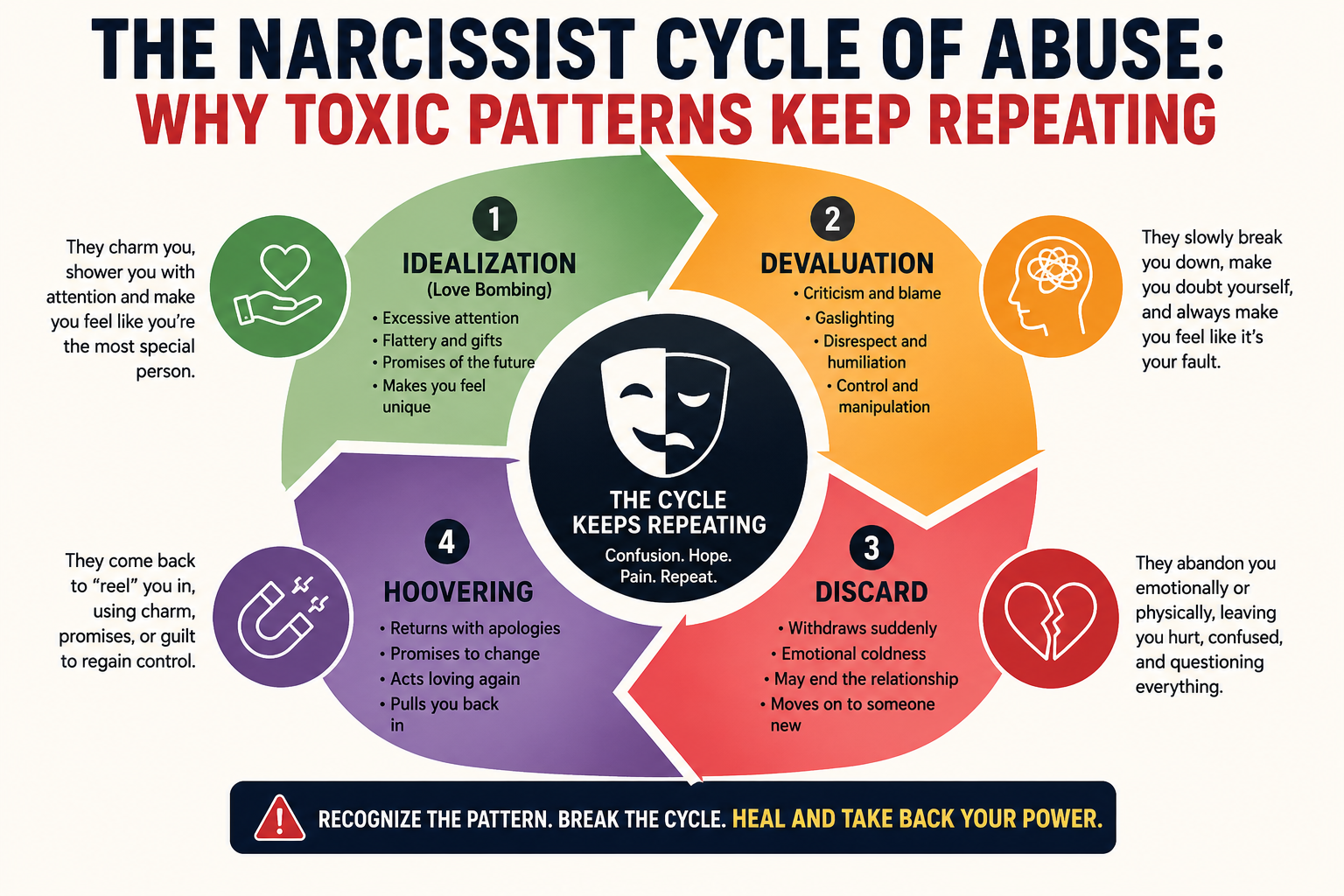
They love-bomb. Initially, the early stages of a hobosexual relationship frequently involve intense romantic attention, grand emotional declarations, and an almost overwhelming sense of connection. This is strategic — it is designed to create rapid emotional bonding before the true intention becomes visible.
The Psychology Behind Hobosexual Behavior
Understanding the psychological underpinning of this behaviour pattern does not excuse it, but it does help make sense of why it happens and why it can be so difficult to identify in real time.
Avoidant Attachment and Emotional Immaturity. Many hobosexuals exhibit avoidant or disorganised attachment patterns. They are drawn to the security and stability that a relationship provides — particularly the tangible, physical security of a home — without having the emotional capacity or willingness to invest in genuine reciprocity.
Learned Helplessness. Some hobosexuals have spent so long relying on others for housing that independence has come to feel genuinely impossible. The pattern becomes self-reinforcing: they never develop the skills, habits, or financial foundations required for self-sufficiency because they have never been required to do so.
Narcissistic Traits There is frequently a significant overlap between hobosexual behaviour and narcissistic personality traits. The ability to present a convincing romantic persona while pursuing an entirely self-serving agenda requires a level of self-centredness and disregard for the other person’s well-being that aligns closely with narcissistic patterns. Empathy for how the arrangement affects their partner is notably absent.
Entitlement A sense of entitlement — the belief that others should provide for them without equivalent contribution — often underlies hobosexual behaviour. This entitlement may be rooted in childhood dynamics, past relationship patterns, or simply a deeply ingrained expectation that emotional performance is sufficient currency for material provision.
Why Empathetic, Caring People Are Most Vulnerable
It is important to say clearly: being targeted by a hobosexual is not a reflection of naivety or weakness. Empathetic, generous, and nurturing people are specifically sought out because these qualities make them more likely to respond to apparent need with compassion rather than boundaries.
Hobosexuals are often skilled at reading people. They identify individuals who are responsive to vulnerability, who find meaning in being needed, who struggle to say no when someone appears to be struggling, and they are inclined to give the benefit of the doubt in relationships.
If you have a history of being a carer — whether for family members, in your professional life, or in past relationships — you may be particularly attuned to the emotional signals hobosexuals broadcast. Recognising this is not a reason for shame. It is a reason for awareness.
How to Protect Yourself
Move at Your Own Pace. Never let a partner’s urgency around moving in together override your own comfort and readiness. A genuine partner will respect your timeline. A hobosexual will resist it.
Pay Attention to Patterns, Not Just Words. Actions over time reveal character. If someone consistently avoids financial responsibility, makes excuses for ongoing instability, and contributes less than they receive, trust what you are seeing.
Establish Clear Boundaries, Earl. Be honest with yourself and your partner about what you are and are not prepared to offer in terms of financial support and shared living arrangements. How a person responds to these boundaries tells you a great deal about their intentions.
Seek Outside Perspective. People close to us often see patterns we miss when we are emotionally involved. If trusted friends or family members express concern about the pace of the relationship or your partner’s motivations, take those observations seriously.
Know That You Deserve Reciprocity. A healthy relationship involves mutual investment — emotional, practical, and, where appropriate, financial. You deserve a partner who is genuinely committed to building a life with you, not one who has settled into your life because it is the most convenient available option.
Healing After a Hobosexual Relationship
Discovering that a relationship was built on pretences is genuinely painful. It raises questions about your own judgement, your self-worth, and your ability to trust again. These feelings are valid and deserve proper support.
Recovery involves understanding not just what happened in the relationship but also what made you vulnerable to it in the first place — and that work is best done with guidance rather than alone.
About NarcissisticAbuseRehab
At NarcissisticAbuseRehab, we specialise in helping survivors of manipulative, exploitative, and narcissistically abusive relationships understand what happened to them, reclaim their sense of self, and build the relational awareness they need to create healthier connections going forward.
Whether you are just beginning to recognise patterns from a past relationship or actively in the process of recovery, our resources, expert content, and supportive community are here to help you every step of the way.
Understanding terms like hobosexual is part of building the emotional and psychological vocabulary that helps you identify unhealthy dynamics early — and protect yourself with confidence.
Visit NarcissisticAbuseRehab to explore our full library of resources on narcissistic abuse, manipulative relationship patterns, recovery strategies, and rebuilding after toxic relationships.